
• Mastering the Slider: Unlocking the Secrets to a Game-Changing Pitch

    Mastering the Slider: Unlocking the Secrets to a Game-Changing Pitch

    In the world of baseball, the slider has become a pivotal pitch for pitchers looking to dominate hitters. This article synthesizes various approaches to mastering this essential pitch, providing valuable insights to overcome common challenges faced by young pitchers.

    Key Takeaways

    1. Understanding the Slider

     – The slider is a breaking ball that combines the speed of a fastball with the movement of a curveball, making it a deceptive pitch. Major league pitchers like Clayton Kershaw and Max Scherzer have utilized the slider effectively, showcasing its importance in today’s game.

    – Key characteristics include a sharp break and late movement, typically thrown with a grip that places emphasis on the index and middle fingers.

    2. Grip and Hand Position

     – Grip: Use a four-seam grip with the index and middle fingers placed close together on the seams. The thumb should rest underneath the ball for stability.

    – Finger Pressure: Apply more pressure with your index finger to create spin, while the middle finger should guide the ball.

    3. Body Mechanics

     – Windup: Start with your standard arm motion. As you wind up, ensure a smooth transition to maintain rhythm.

     – Release Point: Focus on releasing the ball at shoulder height to create optimal spin and movement. Aim for a quick snap of the wrist at release to enhance the slider’s break.

    Practice Drills

     – Shadow Pitching: Without a ball, practice the arm motion and release point multiple times. This helps in building muscle memory.

    – Target Practice: Set up targets at various locations. Aim for the lower inside corner of the plate to develop precision and control.

      – Use of Video: Record practice sessions to analyze mechanics and make necessary adjustments. This feedback loop is crucial for continuous improvement.

    Common Mistakes to Avoid

    – Over-rotation: Avoid excessive body rotation, which can lead to inconsistent pitches. Focus on a compact motion.

    – Grip Tension: Keep a relaxed grip. Tension can negatively affect spin and movement.

      – Inconsistent Release: Work on maintaining a consistent release point to develop reliability in your slider.

    Learning from the Masters: Tomohito Ito’s Legendary Slider

    While studying modern Major League grips is highly beneficial, one of the greatest examples of a truly elite slider comes from Japan: Tomohito Ito (https://www.youtube.com/shorts/mRo3gZnGSjE). During his prime in the 1990s with the Yakult Swallows, Ito captivated the baseball world with what many scouts and players still consider the single nastiest slider in baseball history—a pitch characterized by its devastating late break and fastball-like velocity, reminiscent of today’s “Sweeper.”

    For coaches and young athletes looking to visually understand the perfect mechanics and spin required for a elite breaking ball, analyzing Ito’s approach is a masterclass in pitching. He emphasizes a natural arm slot and generating maximum finger pressure right at the split second of release, rather than trying to “force” the ball to twist.

    To see the master himself break down his legendary grip, wrist action, and throwing philosophy, have your pitchers watch his detailed instructional video on YouTube:

    By studying Ito’s fluid mechanics and dedication to precision, your young pitchers can gain a deeper appreciation for how elite spin and movement are truly achieved.
  • Unlocking Your Pitching Potential: 3 Key Habits for Speed and Injury Prevention

    Unlocking Your Pitching Potential: 3 Key Habits for Speed and Injury Prevention

    In the competitive world of youth baseball, every coach and parent is searching for that secret to help their players not only improve their skills but also stay injury-free. Insights from elite professional pitchers shed light on three crucial habits that can elevate pitching performance. These practices focus on enhancing throwing speed while minimizing the risk of injuries—an essential combination for any aspiring athlete.

    Practice Drill

    1. Strength Training for Arm Stability

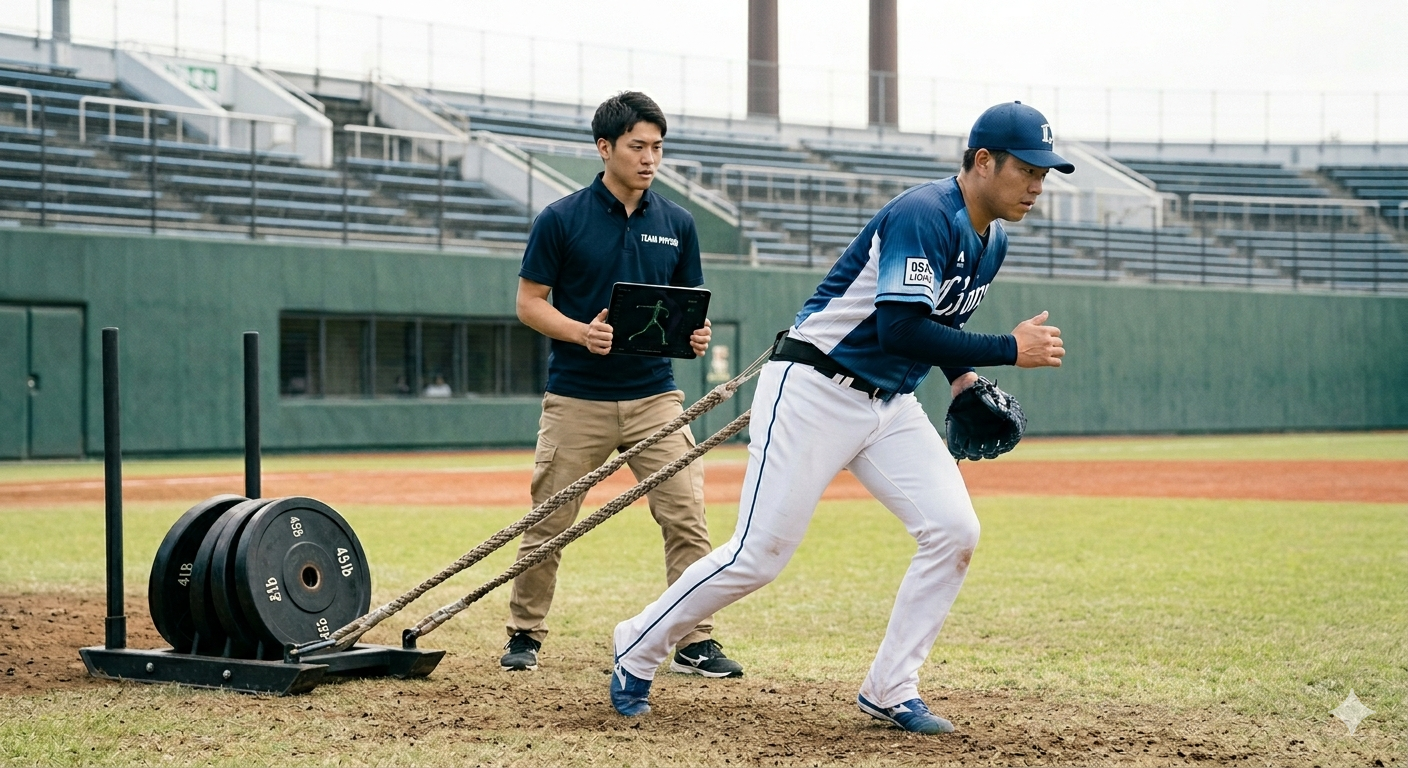
     Implement a structured strength training program that focuses on the shoulder and core muscles. Exercises like shoulder rotations, planks, and resistance band workouts can help build the necessary stability and strength to support a powerful throw.

     [Recommended Video] See how a 93+ mph (150 km/h) pitcher builds shoulder and hip stability through daily routines managed by a pro trainer:

    2. Proper Warm-Up and Cool Down  

    Emphasize the importance of a thorough warm-up routine before practices and games. Dynamic stretches, arm circles, and light throwing should be key components. Similarly, encourage players to cool down with static stretches to improve flexibility and aid recovery.

    [Recommended Video] Learn the ultimate 15-minute warm-up routine created by NPB/WBC star Hiromi Itoh, which kept him completely injury-free for his first three professional seasons:

    3. Focus on Mechanics Over Speed 

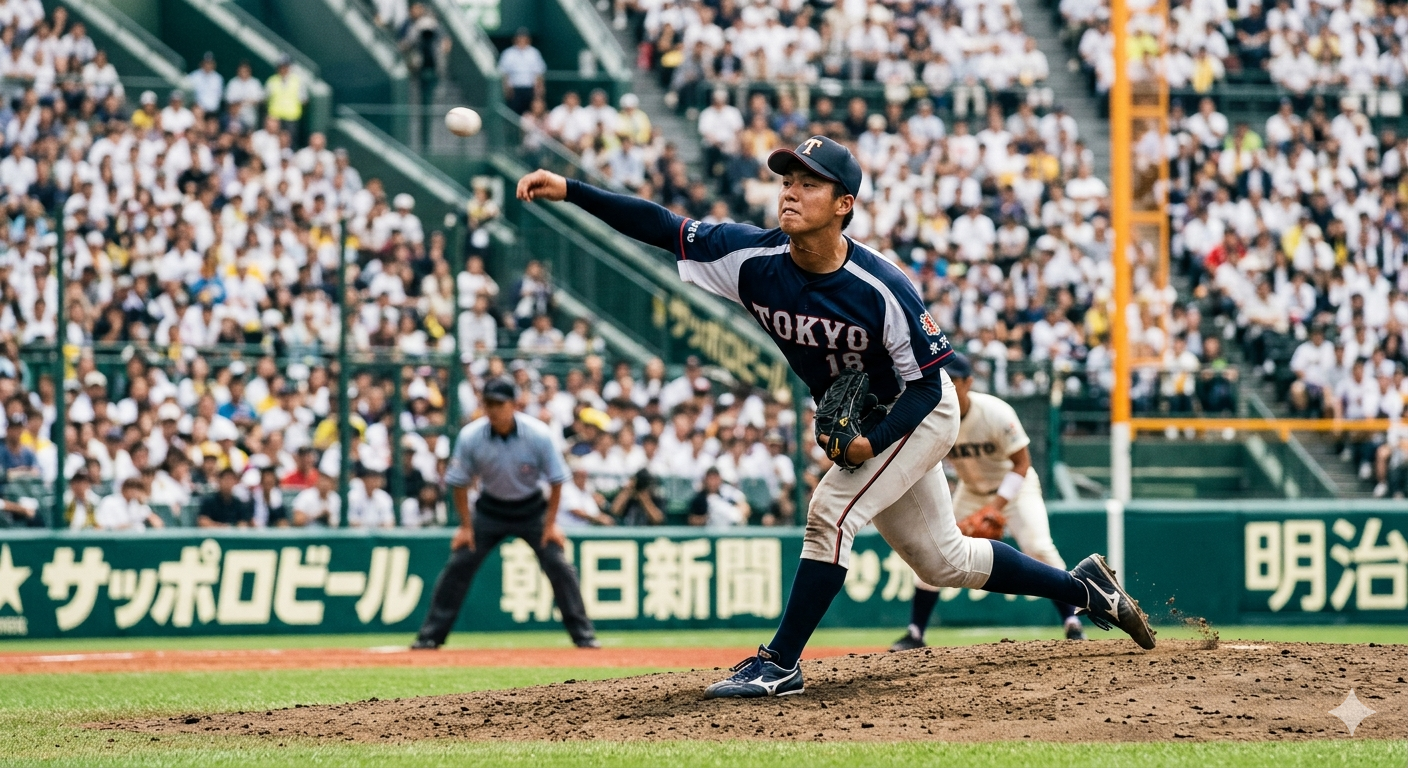
      Teach young pitchers to prioritize proper mechanics rather than just throwing harder. Encourage them to keep their front side closed, stay connected through their lower body, and utilize a fluid arm action to maximize power and control. Regular video analysis can help identify areas for improvement in their technique.

    [Recommended Video] Discover how MLB/NPB ace Yoshinobu Yamamoto emphasizes body synchronization and mechanics over traditional heavy weightlifting:

    💡 Coach’s Note:
    If the video is in Japanese, you can turn on the English subtitles by clicking the ‘CC’ button and selecting ‘Auto-translate’ to ‘English’ in the YouTube settings.

    By integrating these three essential habits into your training regimen, you can help your young athletes unlock their full potential while safeguarding their health. Remember, it’s not just about throwing harder; it’s about throwing smarter. 

  • Why Some Fastballs Feel “Heavy”

    Why Some Fastballs Feel “Heavy”

    In today’s baseball culture, velocity has become king.

    Radar gun numbers dominate recruiting conversations, showcases, and player development programs across the United States. But in Japan, many elite pitching instructors focus on something deeper than pure speed:

    Fastball Quality

    That’s why some pitchers can dominate hitters without overwhelming velocity. Their fastball seems to “jump,” stay on plane longer, or produce late swings even at average speeds.

    Japanese pitching development places heavy emphasis on spin efficiency, body sequencing, rhythm, and repeatable movement patterns. The goal isn’t simply to throw harder — it’s to create a fastball that hitters struggle to square up consistently.

    And honestly, this is an area where many American youth programs still have room to improve.

    Many young pitchers in the U.S. are taught to throw hard before they learn how to move efficiently. That often creates arm-dominant mechanics early, which can limit long-term development.

    Key Takeaways for Coaches

    1. Velocity Alone Doesn’t Make a Fastball Elite

    Japanese coaches often teach that an effective fastball comes from a combination of:

    • Spin efficiency
    • Spin direction
    • Carry through the strike zone
    • Command
    • Late life

    A pitcher throwing 80 mph with efficient backspin can often be more difficult to hit than an 85 mph pitcher with poor spin characteristics.

    Hitters frequently describe these fastballs as:

    • “Heavy”
    • “Faster than the radar gun says”

    The ball isn’t literally rising. Instead, efficient backspin helps the pitch resist gravity slightly longer, creating the illusion of “ride” through the zone.

    2.Teach Young Pitchers to Stay Behind the Ball

    One key concept in Japanese pitching instruction is maintaining clean backspin.

    When pitchers stay behind the baseball properly, they create more true carry and cleaner flight.

    But when the hand gets around the ball too early:

    • The pitch cuts unintentionally
    • Arm-side run becomes inconsistent
    • Velocity leaks
    • Command suffers
    💡 Coach’s Tip:
    Instead of constantly yelling “throw harder,” try this:
    “Throw through the catcher’s chest and stay behind the ball.”
    That single cue often improves both command and spin efficiency naturally.

    3. Coaches Value “Tempo Before Explosion”

    A major teaching point in Japanese baseball is what many coaches describe as “tame” — controlled loading and delayed acceleration.

    In American baseball language, this is closely related to:

    • Staying back
    • Creating separation
    • Delayed energy transfer
    • Building momentum before release

    Japanese coaches often emphasize smooth rhythm before aggressive acceleration.

    This helps pitchers create whip-like arm speed instead of forcing velocity with the upper body.

    Drill: Walk-In Momentum Throws

    This is a simple but highly effective drill for pitchers.

    How to Do It

    • Start 2–3 steps behind the mound
    • Walk slowly into the throw
    • Build momentum toward home plate
    • Let the hips lead the movement
    • Allow the arm to work naturally behind rotation

    To better understand the mechanics we’ve discussed.

    Uehara never relied purely on overpowering velocity. Instead, he dominated hitters through:

    • Fastball carry
    • Command
    • Spin efficiency
    • Timing disruption
    • Repeatable mechanics

    Even major league hitters consistently described his fastball as “quicker than expected.”

    If you want to see how efficient movement and pitch quality can outperform raw velocity, this is a great breakdown to study:

    For youth coaches, Uehara is a powerful reminder that developing clean mechanics, rhythm, and deception can be just as important as chasing radar gun numbers.

    💡 Coach’s Note:
    If the video is in Japanese, you can turn on the English subtitles by clicking the ‘CC’ button and selecting ‘Auto-translate’ to ‘English’ in the YouTube settings.