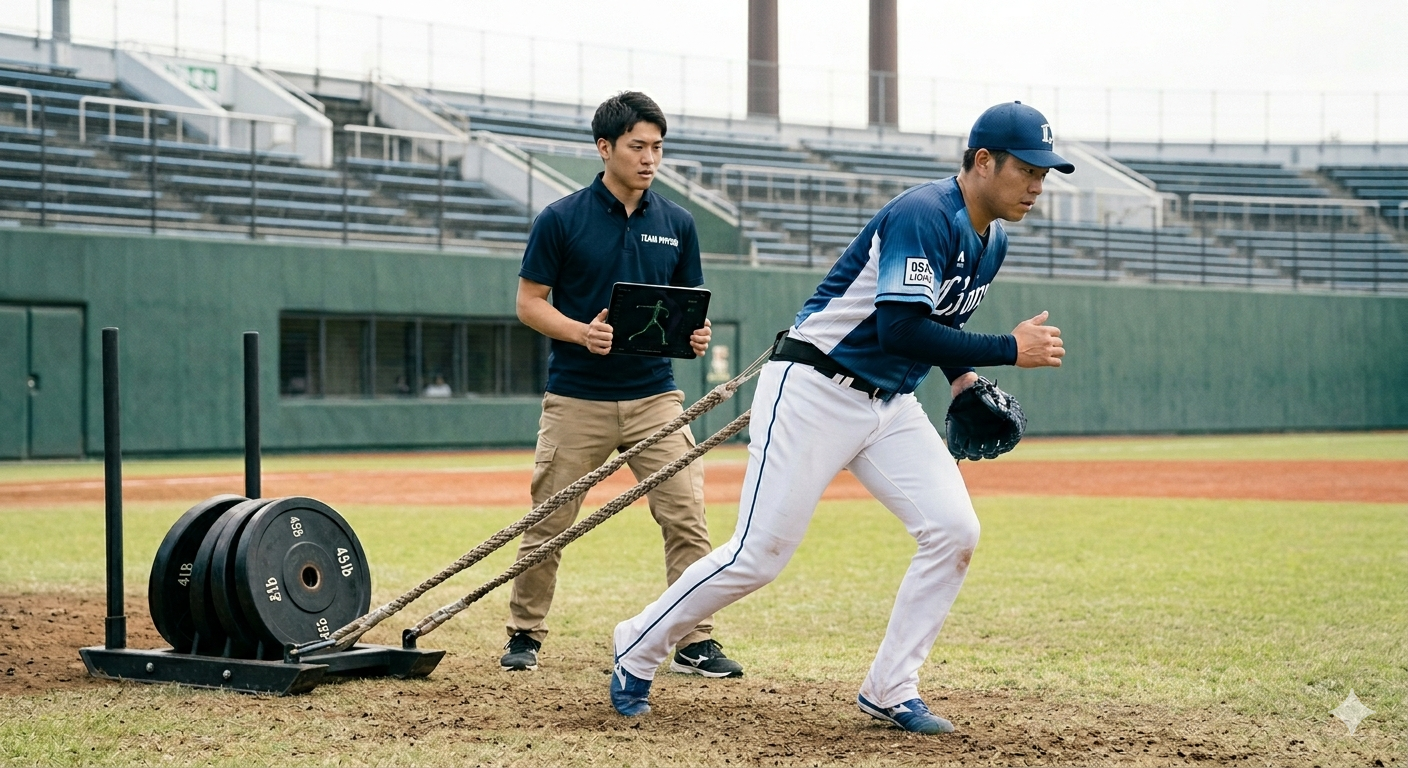
In the competitive world of youth baseball, every coach and parent is searching for that secret to help their players not only improve their skills but also stay injury-free. Insights from elite professional pitchers shed light on three crucial habits that can elevate pitching performance. These practices focus on enhancing throwing speed while minimizing the risk of injuries—an essential combination for any aspiring athlete.
Practice Drill
1. Strength Training for Arm Stability
Implement a structured strength training program that focuses on the shoulder and core muscles. Exercises like shoulder rotations, planks, and resistance band workouts can help build the necessary stability and strength to support a powerful throw.
[Recommended Video] See how a 93+ mph (150 km/h) pitcher builds shoulder and hip stability through daily routines managed by a pro trainer:
2. Proper Warm-Up and Cool Down
Emphasize the importance of a thorough warm-up routine before practices and games. Dynamic stretches, arm circles, and light throwing should be key components. Similarly, encourage players to cool down with static stretches to improve flexibility and aid recovery.
[Recommended Video] Learn the ultimate 15-minute warm-up routine created by NPB/WBC star Hiromi Itoh, which kept him completely injury-free for his first three professional seasons:
3. Focus on Mechanics Over Speed
Teach young pitchers to prioritize proper mechanics rather than just throwing harder. Encourage them to keep their front side closed, stay connected through their lower body, and utilize a fluid arm action to maximize power and control. Regular video analysis can help identify areas for improvement in their technique.
[Recommended Video] Discover how MLB/NPB ace Yoshinobu Yamamoto emphasizes body synchronization and mechanics over traditional heavy weightlifting:
If the video is in Japanese, you can turn on the English subtitles by clicking the ‘CC’ button and selecting ‘Auto-translate’ to ‘English’ in the YouTube settings.
By integrating these three essential habits into your training regimen, you can help your young athletes unlock their full potential while safeguarding their health. Remember, it’s not just about throwing harder; it’s about throwing smarter.
Leave a Reply